Situation Overview
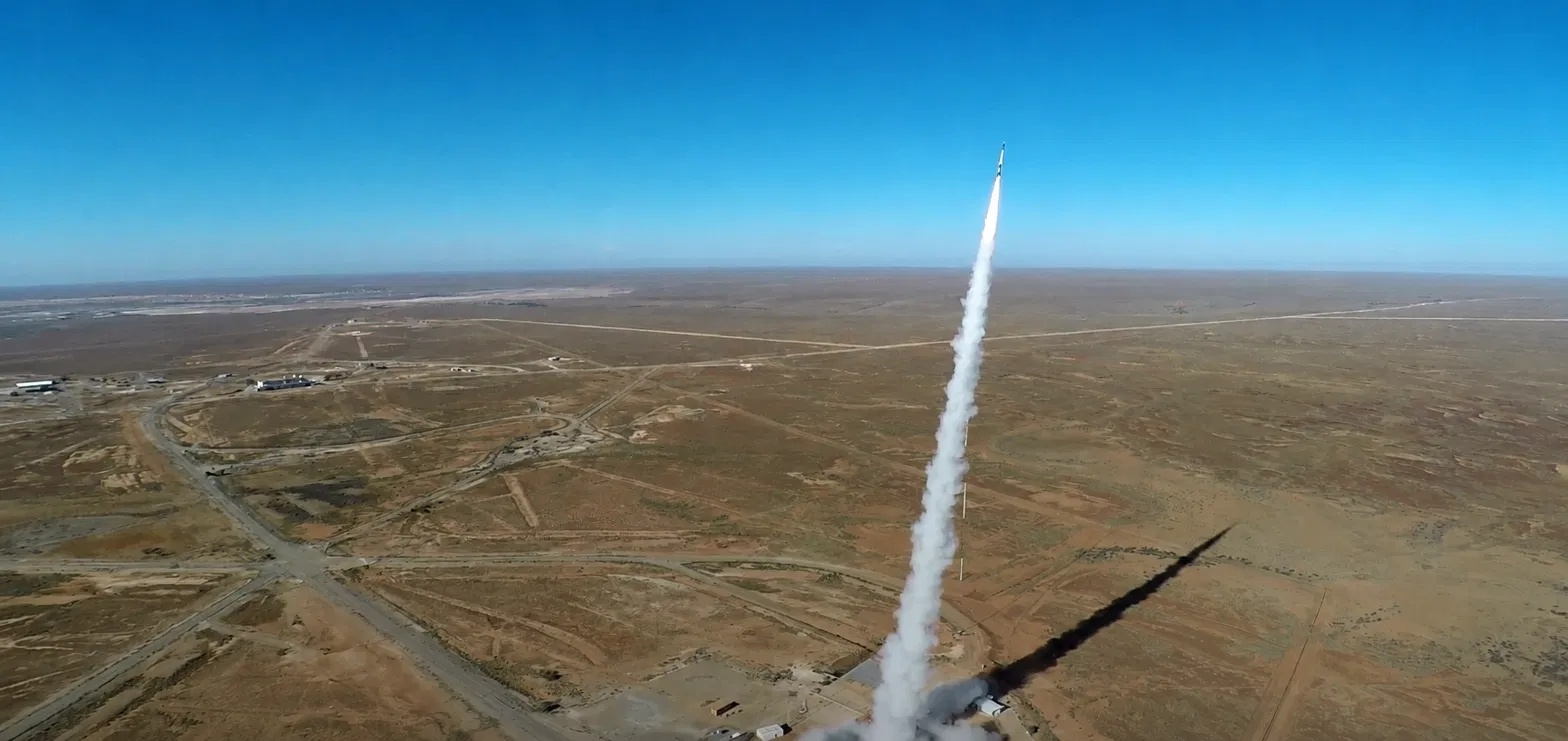
A South Australian exploration company held a Resource Exploration Permit (REX) over ground situated within the Woomera Prohibited Area (WPA) — a 122,000 square kilometre zone in South Australia's arid interior that functions as Australia's primary test range for defence weapons systems. The WPA is established under the Defence Act 1903 (Cth) and its subsidiary instruments, which create a regime of tiered access controls that sit entirely outside, and in addition to, the standard state exploration licensing framework.
The client had identified exploration targets warranting drill testing and required on-ground access to progress the programme. Entry into the WPA for exploration purposes is not automatic — it requires a suite of specific authorisations that must be obtained, maintained, and coordinated around live defence testing activity. Sceptre Strategic's principal was engaged to manage the complete access and compliance workstream.
The Challenge
The WPA access framework operates on two independent tracks simultaneously. On one track, the state mining regulator — the Department for Energy and Mining (DEM), administers the regulation of the mineral Exploration Licence (EL) and the associated exploration programme requirements under South Australian mining legislation. On the other, the Department of Defence (DOD), through the Woomera Prohibited Area Coordination Office (WPACO) and the Woomera Test Range (WTR), administers explorers' access to the restricted area through a valid Resource Exploration Permit (REX) under Commonwealth law.
Neither track substitutes for the other. A company can have a granted Exploration Licence and an approved Exploration Program for Environment Protection and Rehabilitation (EPEPR) under the Mining Act 1971 (SA) and still be unable to conduct approved exploration activities within the WPA if a valid REX is not in place, the REX has expired, or a scheduled defence test has triggered a prohibition. The WPA is divided into Red, Amber, and Green zones, each with different access and exclusion conditions that vary in response to the live testing programme.
The commercial risk was direct: missed field seasons translate to unmet expenditure commitments, EL non-compliance, and in the WPA context, an inability to advance a project that may have genuine strategic merit.
Approach
Approved Person Status Applications
Access to the WPA for exploration purposes requires all personnel entering the area to hold current Approved Person Status (APS) — a Commonwealth-level clearance administered through WPACO. The principal managed the preparation and lodgement of APS applications for all relevant personnel, including the assembly of required supporting information and ongoing monitoring of the Approved Person Status Register to ensure no clearances lapsed or expired without renewal.
APS is not a set-and-forget instrument. Personnel changes, updates to personal information, and periodic renewals require active register management. A single lapsed clearance can prevent the field team from entering the area on a specific access window.
Access Permit Execution and Maintenance
In addition to APS, actual entry into the WPA for a specific exploration programme requires an Access Permit issued under the Defence Act 1903 framework. The principal executed Access Permits for the client's programmes, coordinating the timing of permit applications with the WTR's published testing schedules to maximise the available operational windows in the relevant zone.
The WPA zone system — Red (exclusion during testing), Amber (conditional access), and Green (standard access) — means that exploration programmes must be planned with a level of scheduling flexibility that most Australian field programmes do not require. Access windows that coincide with live test activities are simply unavailable, and programmes designed without this built-in flexibility routinely fail to execute on schedule.
Liaison with WPACO and the Woomera Test Range
The principal maintained a direct working relationship with both WPACO and the WTR throughout the engagement. This included proactive communication in advance of planned access windows, prompt response to WTR scheduling changes, and coordination of any changes to the exploration programme that had access implications. In the WPA context, the quality of the working relationship with defence stakeholders is as material to operational outcomes as the technical quality of the exploration programme itself.
Integration with State Exploration Compliance
Simultaneously, all state-level obligations were maintained. This included monitoring and maintaining the Exploration Licence conditions, ensuring EPEPR and Programme Notification obligations under the Mining Act 1971 (SA) were met, and completing annual reporting requirements. The principal served Form 21A and Form 21B notices of entry on relevant stakeholders and managed the complete tenement compliance calendar alongside the Commonwealth access workstream.
"Exploration in the WPA requires an operator to think in two regulatory languages at once — state mining law and Commonwealth defence law — without confusing which instrument governs which obligation."
Outcome
Result
Access to the WPA was secured and maintained across multiple programme cycles. All required APS clearances were in place ahead of each planned field entry. Access Permits were executed in coordination with WTR scheduling, and the client's field programmes proceeded without access disruption attributable to a failure of the Commonwealth compliance framework.
The Exploration Licence remained in good standing throughout the engagement, with all annual reporting, EPEPR obligations, and Programme Notifications lodged on time. The client advanced its exploration objectives on WPA ground that many operators consider inaccessible in practice — not because of technical difficulty, but because of the complexity of navigating a dual-jurisdiction compliance environment without dedicated expertise.
Why It Mattered
The WPA contains significant mineral prospectivity, and tenements within it have historically been underexplored relative to comparable ground outside the zone — precisely because the access complexity deters operators without specific experience. A company that can navigate the WPA framework efficiently holds a genuine competitive advantage in a region where other explorers default to simpler tenure.
The engagement also demonstrated the value of integrated compliance management. Holding a valid REX while allowing APS clearances to lapse, or advancing a Programme Notification without coordinating the Commonwealth access timeline, creates situations where exploration-ready ground cannot be physically accessed. Managing both tracks in parallel, without gaps, is the central capability this engagement required.
Capability Demonstrated
This engagement drew on Sceptre Strategic's specialist experience in WPA access management, multi-stakeholder land access, and integrated tenement compliance. Relevant service areas include:
- Land Access & Stakeholder Engagement — Access Permit execution, Approved Person Status applications, WTR liaison, Form 21A/21B notices, and WPACO coordination
- Tenement Management. Exploration Licence monitoring, annual reporting, EPEPR and Programme Notification management across multi-jurisdiction exploration portfolios
- Monitoring & Acquisition — ongoing compliance calendar management, register maintenance, and proactive deadline management
Related Case Studies
- Multi-Party Native Title Mining Agreement Negotiated to Execution. Managing native title engagement and cultural heritage authorisation in parallel with exploration programme planning
- Concurrent Portfolio Management — Zero Statutory Failures — how multi-client, multi-jurisdiction compliance is managed without missed deadlines