The Opportunity — and the Approval That Comes First
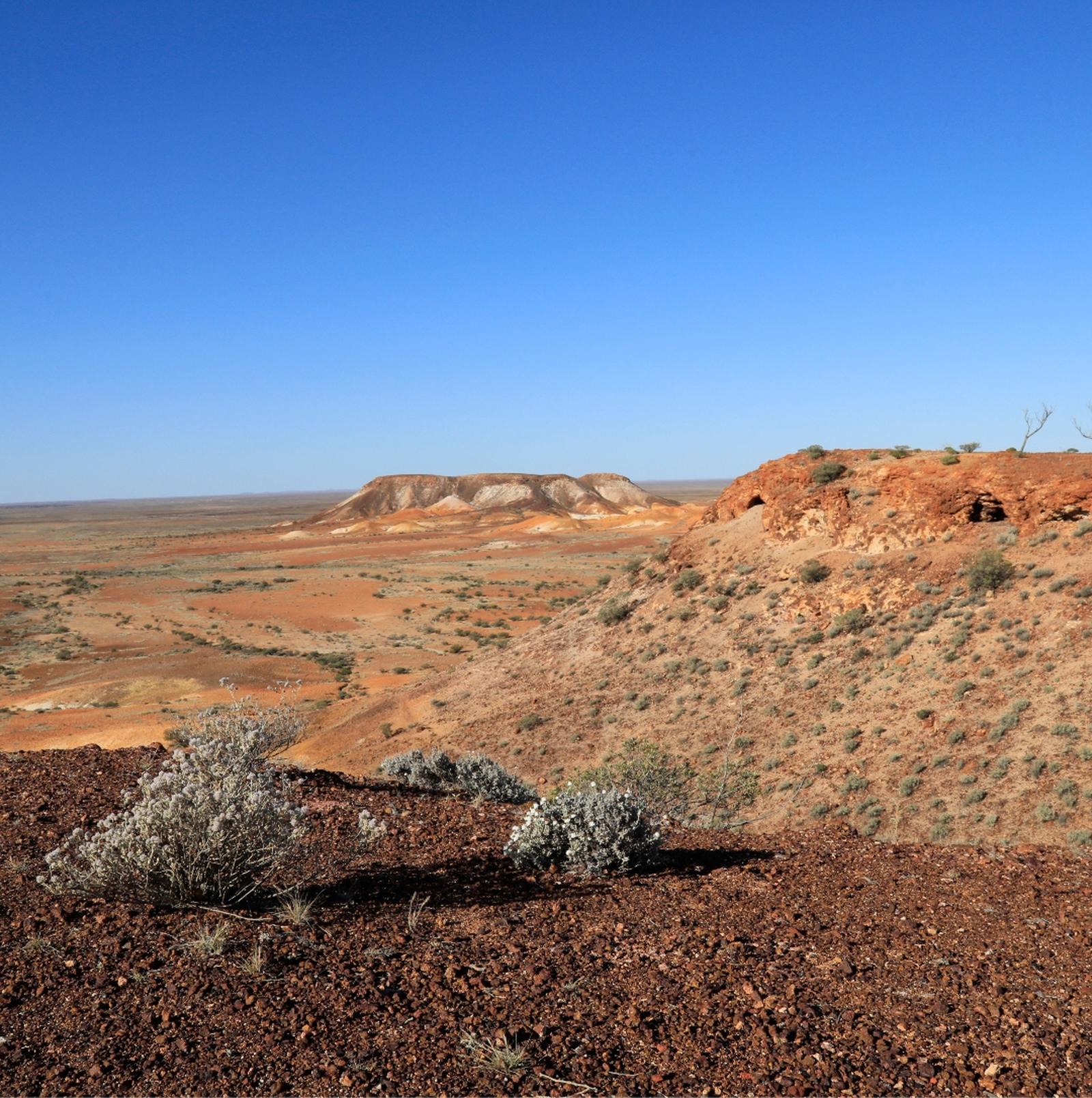
In early 2026, the Geological Survey of South Australia and the Department for Energy and Mining (DEM) released 16 co-located Exploration Release Areas in the Northern Gawler Craton, north of Coober Pedy. More than 11,000 square kilometres of ground prospective for copper, gold, and critical minerals was made available through a competitive tender process, with applications closing 27 February 2026. Further ERA batches continue to come to market, covering other parts of the state.
For explorers awarded ground, the exploration licence itself is only the first step. Before any drill rig moves, any track is cut, or any camp is established, an approved Exploration Program for Environment Protection and Rehabilitation — an Exploration PEPR, or EPEPR — must be in place.
What an Exploration PEPR Is
An Exploration PEPR (EPEPR) is the regulatory instrument under Part 10A of the Mining Act 1971 (SA) that authorises on-ground exploration activity on a mineral tenement. It is the exploration-stage equivalent of the Program for Environment Protection and Rehabilitation (PEPR) that production operators prepare for mining and retention leases. Without an approved Exploration PEPR in force, an EL holder cannot lawfully conduct drilling, earthworks, track construction, camp establishment, or most forms of ground disturbance.
The legal framework comes from three sources. The Mining Act 1971 and Mining Regulations 2020 set the obligation. The Minister's determinations under Part 10A, including the Terms of Reference for mineral exploration PEPRs and the Generic PEPR for low impact exploration, set what has to be addressed. Minerals Regulatory Guideline MG22: Mining Exploration PEPRs and Compliance provides the department's practical guidance on how to prepare and comply with one.
"Exploration licences are granted on the promise that ground will be explored. An Exploration PEPR is the document that lets you deliver on that promise lawfully."
Twelve-Month Term or Ongoing Term — The First Strategic Call
One of the earliest decisions an explorer makes is the term of the Exploration PEPR itself. DEM approves Exploration PEPRs on one of two bases:
- A twelve-month Exploration PEPR — authorising on-ground activity for up to twelve months. DEM publishes a dedicated 12-month Exploration PEPR template for this pathway.
- An ongoing Exploration PEPR — authorising activity for the full remaining term of the exploration licence (up to the 18-year maximum), with rehabilitation obligations triggered on expiry of the licence itself.
The department's position, confirmed on the DEM Exploration Operations page, is that "Exploration PEPRs may be submitted for approval for up to 12 months or for an ongoing period (for the term of the exploration licence(s))". Both pathways are available; the choice is strategic.
DEM tends to look more favourably on a twelve-month term for explorers who are new to the jurisdiction, new to the department, or new as a corporate entity. The twelve-month structure gives the regulator a defined review point — rehabilitation is expected within three months of expiry, the programme is closed, and the explorer's actual field performance becomes part of their track record before the next approval. For an established operator with a demonstrated compliance history in South Australia, an ongoing Exploration PEPR can be a more efficient fit — it aligns the rehabilitation trigger with the life of the tenement and reduces how often resubmissions are needed.
Companies stepping onto SA ground for the first time — whether that's their first ERA grant, their first South Australian tenement, or a newly-incorporated exploration vehicle — are typically better served by a twelve-month Exploration PEPR that builds the track record. Operators with a clean multi-year history in the state can, and often should, be proposing ongoing terms at the outset.
Generic Low Impact vs Prescribed Exploration PEPR
Not every Exploration PEPR is the same, and understanding which pathway applies to your tenement is the single most important decision in the planning stage.
Generic Low Impact PEPR
For routine exploration on most freehold, pastoral, and perpetual lease country, the department's Generic PEPR for low impact exploration in South Australia (December 2020) can apply. This is the default pathway for a typical exploration programme — air-core, RC, or diamond drilling with limited ground disturbance, using existing tracks, with conventional rehabilitation commitments. The regulatory burden is lighter, and the approval process is faster.
Prescribed Exploration PEPR
A bespoke, prescribed Exploration PEPR is required when exploration is proposed in sensitive locations. Under the standard EL conditions published by DEM, these include:
- A park, reserve, or specially protected area
- A wetland of international (RAMSAR) or national importance
- A native vegetation heritage agreement area
- A state heritage area or place
- Exploration operations over the seabed (seaward of low water mark)
- Use of vehicles off existing tracks within 100 metres of a park or reserve under the National Parks and Wildlife Act 1972
- Drilling or use of vehicles off existing tracks within 5 kilometres of a Great Artesian Basin spring
For much of the Northern Gawler Craton release, low impact provisions will generally apply to the bulk of the tenement area — but parcels can intersect GAB spring buffers, vegetation heritage agreements, and regional reserves. Identifying where the prescribed pathway is triggered, and scoping the EPEPR accordingly, is a first-pass desktop task that should be done before the field season is locked in.
DEM Target Timeframes — and What to Plan For
DEM publishes target assessment timeframes for prescribed EPEPRs by land type. Based on figures reported to the South Australian Productivity Commission, the recent profile looks like this:
| Land Type | Target (Days) | Average (Days) | On Target |
|---|---|---|---|
| Freehold / pastoral / perpetual lease | 25 | 26 | 81% |
| Prescribed wells / water resource area | 35 | 47 | 75% |
| Regional reserve | 50 | 41 | 80% |
| Flinders Ranges planning areas (Class A & B) | 40 | 24 | 100% |
| Vegetation heritage agreement | 40 | 63 | 33% |
| Jointly proclaimed national / conservation park | 85 | 54 | 100% |
Two things stand out. First, even "fast" land types rarely come in under a month. Second, vegetation heritage agreement areas consistently overshoot — only a third of submissions hit target. If your programme touches one, build a buffer into the field season planning.
There's also a more basic, practical risk. The EPEPR online submission portal has been intermittently disabled, with DEM directing applicants to lodge new EPEPRs using downloadable templates. Operators relying on a fully digital workflow shouldn't assume the portal will be available on the day they need it.
What a Well-Prepared EPEPR Contains
Whether generic or prescribed, a compliant EPEPR addresses the same core elements. Good submissions share a common shape:
- Tenement and activity description — the EL number, the area, and a clear account of what ground-disturbing activities are proposed (drill types, track construction, camps, airstrips, sample preparation)
- Environmental baseline — native vegetation, GAB springs, surface water, cultural heritage constraints, fauna, and any heritage or conservation overlays
- Risk assessment — identified impacts, likelihood, consequence, and control measures against each
- Stakeholder engagement plan — landholders, native title parties, and relevant agencies, with records of consultation maintained as required under the EL conditions
- Rehabilitation and closure commitments — drill hole abandonment standards, track and pad rehabilitation, revegetation, weed management, and completion criteria
- Compliance and incident reporting protocols — per MG22 and the published Terms of Reference
Where Submissions Typically Get Held Up
EPEPRs that are returned or held up tend to share the same weaknesses:
- Stakeholder engagement documented as a checkbox rather than a genuine process, with thin records of consultation with landholders
- Failure to identify sensitive-area triggers that push the submission into the prescribed pathway
- Native vegetation clearance commitments that are vague or inconsistent with Native Vegetation Council expectations and the mitigation hierarchy
- Rehabilitation commitments without measurable completion criteria
- Camps, airstrips, and track networks proposed in the field but not described in the approved EPEPR, which the EL conditions expressly require
Pre-Tender Readiness — What Successful Bidders Are Doing
The explorers who move fastest after an ERA award have generally done the compliance groundwork before the award letter arrives. That looks like:
- A desktop sensitivity assessment of the tenement area — GAB spring buffers, heritage agreement overlays, park boundaries, vegetation communities
- An early decision on which EPEPR pathway applies and a draft scoping of the document
- Engagement with landholders and native title parties well before the field season, with records kept from day one
- A programme of work costed with realistic approval lead times built in — not 25 days for every land type
- A plan for how compliance reporting will be handled once activity commences
Practical Implications for Northern Gawler Craton Bidders
- Much of the Northern Gawler Craton release is on pastoral country — generic low impact provisions will cover routine drilling on most blocks
- GAB spring buffers, regional reserves, and heritage overlays will push specific parcels into the prescribed EPEPR pathway — identify these early
- Stakeholder engagement obligations under the EL conditions start before the EPEPR is approved, not after
- Camps, airstrips, and track networks must be described in the approved EPEPR — retrofitting them mid-programme is not an option
- Native vegetation clearance pathways run through the Native Vegetation Council and run alongside the EPEPR process, not inside it
Where Sceptre Strategic Can Help
EPEPR preparation brings together exploration planning, environmental compliance, land access, and stakeholder engagement. Getting it right requires a practical understanding of how DEM assesses submissions, which pathway applies, and how to draft commitments that are both achievable in the field and compliant on paper.
Sceptre Strategic provides EPEPR and on-ground approval support including:
- Pre-award sensitivity assessments and pathway scoping for ERA bidders
- Preparation of generic low impact and prescribed EPEPRs for new and existing exploration licences
- Amendments to existing EPEPRs for changes in programme scope, new camps, or new disturbance types
- Stakeholder engagement plans and consultation record management aligned with EL conditions
- Ongoing compliance and incident reporting coordination under MG22
- Integration of EPEPR obligations with broader tenement management, native title, and land access requirements
We operate across all Australian jurisdictions. Travis Sickerdick, our principal, can be appointed as registered agent for exploration licences in any Australian state or territory, which is particularly useful for operators without a local presence in South Australia.